




June, 2026
The McCormick Science Institute: Mission, Funding Guidelines, Governance, and 20 Years of Contributions to the Research and Public Health Communities Pertaining to Spices and HerbsOptimizing Diets for the Prevention of Cardiovascular Diseases and the Promotion of Cardiometabolic Health
Cheryl A. M. Anderson, Nicole Karongo
share
Objectives
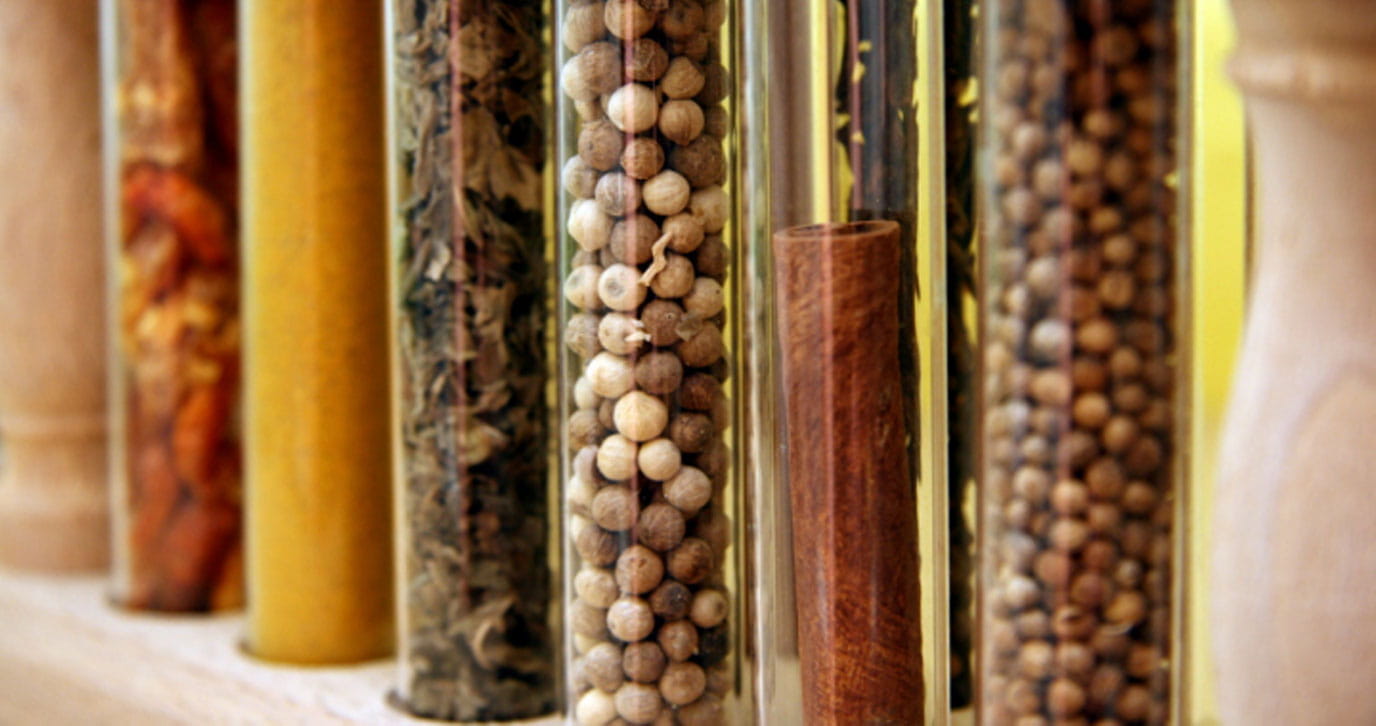
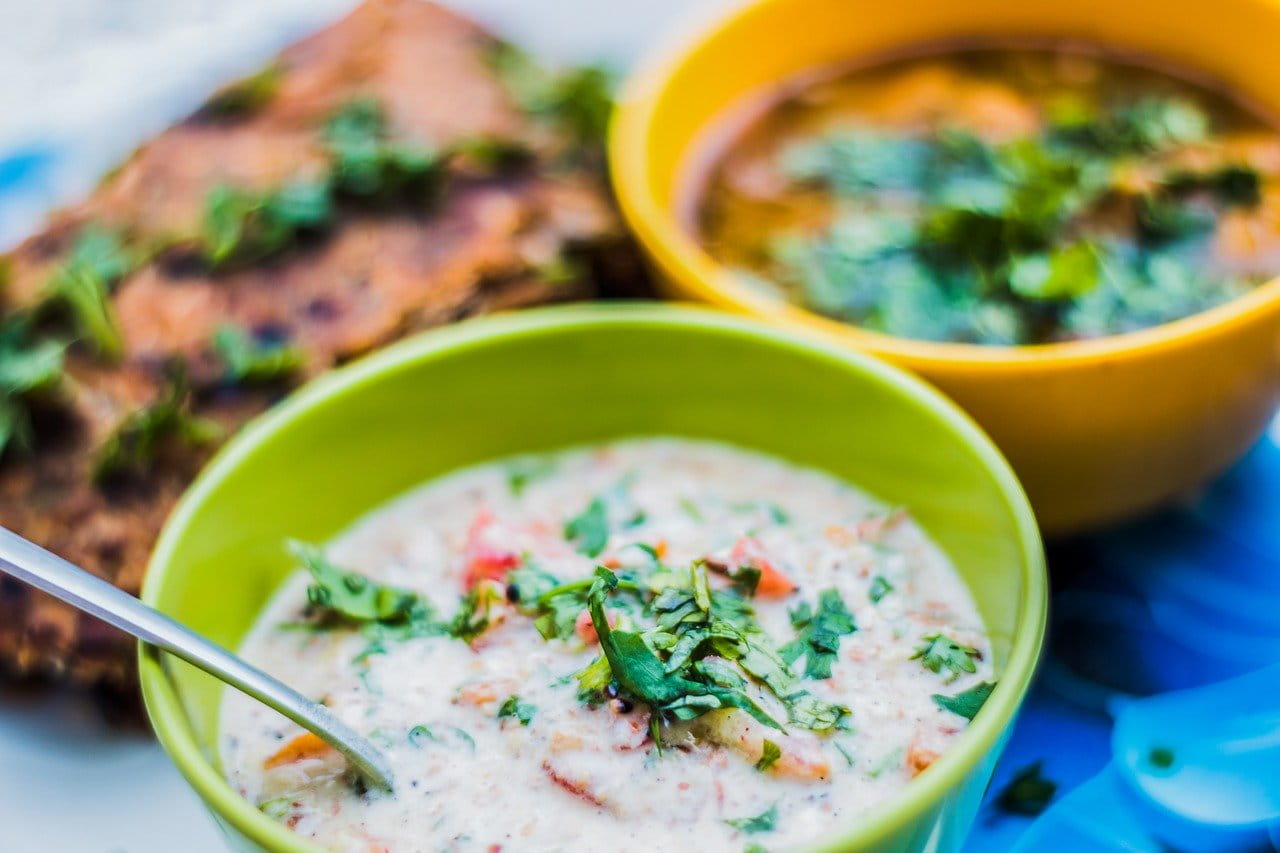
This article explores the role of herbs and spices as culturally grounded tools to support the adoption of high-quality diets and promote cardiovascular health.
Background
Cardiovascular disease remains a leading cause of morbidity and mortality worldwide, with suboptimal dietary patterns contributing substantially to risk. Traditional dietary interventions often fail to account for the complex socioeconomic, cultural, environmental, and behavioral determinants that shape food choices.
Methods
Descriptive data from randomized clinical trials and proof-of-concept studies that incorporate spices and herbs into healtful dietary patterns to reduce sodium intake and improve diet quality.
Results
Evidence from the SPICE trial and ongoing HAWAASH studies demonstrates that behavioral interventions incorporating herbs and spices can effectively reduce sodium intake and encourage nutrient-dense food consumption.
Conclusions
These findings provide practical insights for healthcare providers seeking to personalize dietary counseling and nutrition prescriptions, particularly for individuals at risk of or living with cardiometabolic diseases. Incorporating the cultural significance of herbs and spices into public health strategies may offer a promising avenue to enhance dietary adherence, respect traditional foodways, and advance equity in cardiovascular health promotion.