





June, 2026
The McCormick Science Institute: Mission, Funding Guidelines, Governance, and 20 Years of Contributions to the Research and Public Health Communities Pertaining to Spices and HerbsEffect of Herbs and Spices on Acceptance, Preference, and Intake of Vegetables Among Rural Adolescents
Kathleen L. Keller, Barbara J. Rolls
share
Objectives
To test whether herbs and spices improve acceptance, preference, and intake of vegetables among rural middle and high school students.
Background
Vegetable intake among rural children and adolescents is inadequate. Novel strategies are needed to increase vegetable intake in this population.
Methods
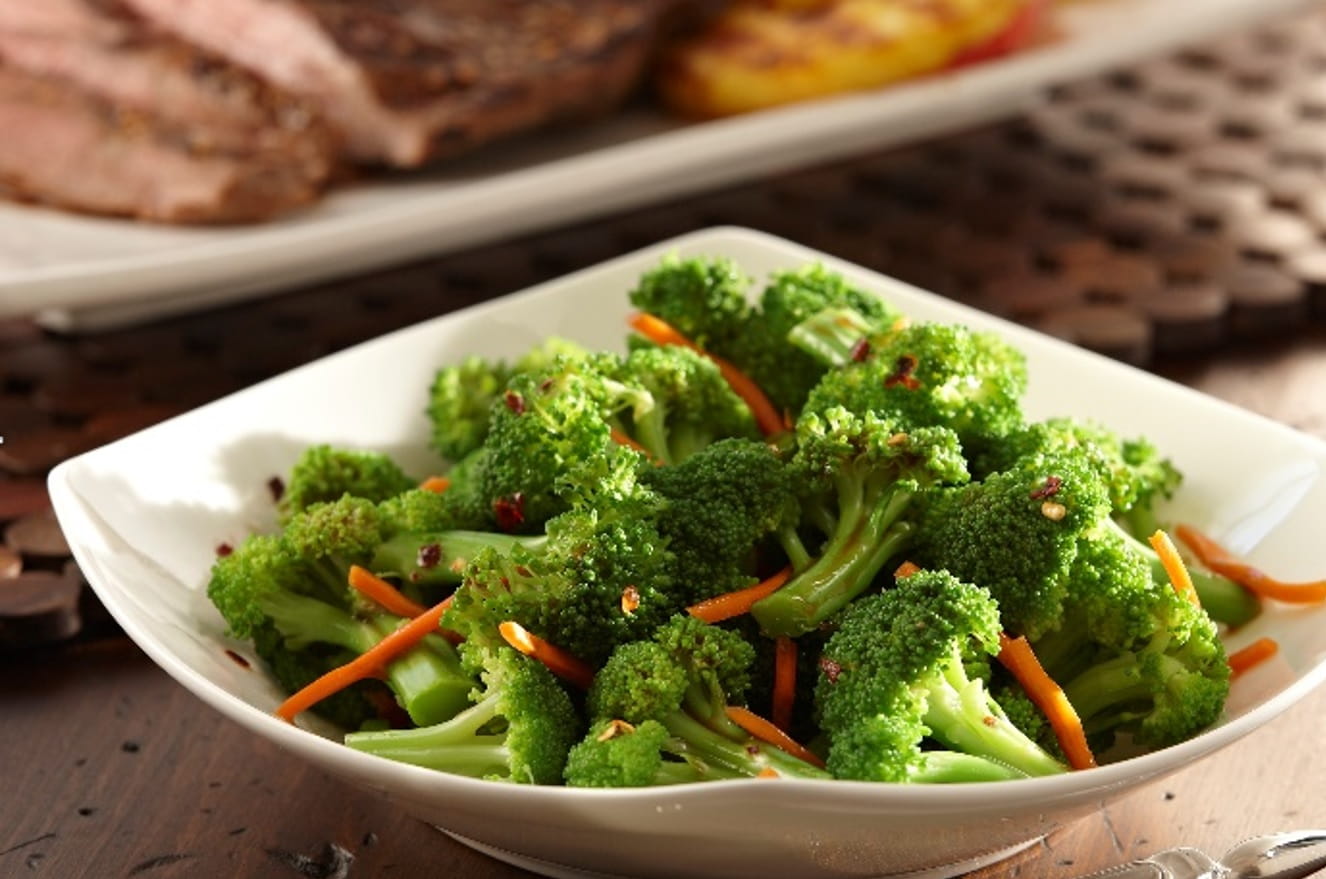
This school-based study was conducted in 3 phases. In phase 1, recipes were developed for 8 vegetables using uniquely formulated spice blends (eg, dill, cardamom, cumin). To evaluate recipe acceptance, students (Ns = 96-110; aged 14-18 y) rated liking (100-mm visual analog scales) and preference (forced choice) for plain (oil and salt) versus seasoned vegetables. Both plain and seasoned had similar amounts of oil and salt, but the seasoned also had specially formulated herb and spice blends. In phase 2, herb and spice blends were added to 8 vegetables served in the cafeteria and their intake was compared to plain controls. In phase 3, we tested whether 5 repeated exposures to 2 of the recipes from phase 2 increased intake.
Results
In phase 1, students generally liked and preferred the seasoned vegetables over the plain versions. However, in phase 2, vegetable selection was low (8%-15%) and overall intake was greater for plain relative to seasoned vegetables. In phase 3, repeated exposure to the dill spice blend increased students’ willingness to try vegetables seasoned with this blend in the future.
Conclusions
Although herbs and spices increased vegetable acceptance and preference among rural school children, this did not consistently translate into increased selection or intake in the cafeteria setting. Increasing exposure to herbs and spices prior to implementation and involving students in intervention planning may help overcome barriers to seasoned vegetable intake in this population.