




June, 2026
The McCormick Science Institute: Mission, Funding Guidelines, Governance, and 20 Years of Contributions to the Research and Public Health Communities Pertaining to Spices and HerbsCooperative extension and academic departments partnership: Translating nutrition science messages to diverse audiences
Olivia Lawler, Gail D'Souza, Travis Masterson, Mary Alice Gettings, Kristina Petersen, Amy Moore, Penny Kris-Etherton
share
Methods & Results:
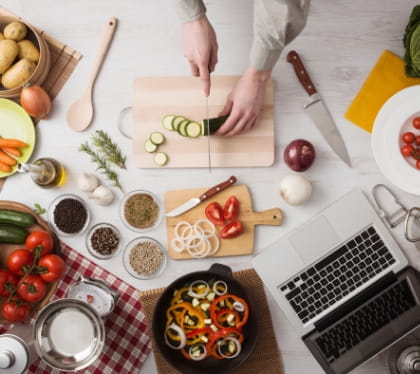
A website that had been developed to teach about using spices and herbs to reduce sodium, saturated fatty acids and added sugars was used to deliver a 1-hour webinar by Zoom entitled, “Let’s Cook at Home: Herbs and Spices”. Before and after the live webinar, participants were asked to complete a short questionnaire to evaluate their knowledge, confidence, and intention to use S&H. Of the 425 participants who viewed either the live or recorded webinar, 254 individuals watched it live, 171 watched the recording, and 163 participants responded to the survey:
- 88% reported gaining knowledge in using, pairing, and substituting S&H when preparing meals.
- 88% reported increased confidence in using S&H in their cooking to decrease the amount of sodium, SFAs, and added sugars and increase healthy foods in their diet.
- 88–98% of all participants indicated they would be interested in using S&H to reduce sodium, SFAs, and added sugar and to promote healthier eating.
- 96% reported that three to five-minute videos detailing webinar topics would be useful.
Subsequently, five short (3–5 minutes each) videos were developed. Each video featured a recipe using S&H while sharing tips to make cooking easier. The goal of each video was to inspire the participants to use S&H to flavor their food rather than sodium, SFAs, and added sugars.
A cross-section of the U.S. adult population were given pre- and post-intervention surveys before and after watching the videos and completed three automated self-administered 24-hour (ASA-24) dietary recalls on two weekdays and one weekend day before and after the intervention to assess changes in diet quality in response to the videos.
Participants reported significant increases in: knowledge gained about using S&H, confidence in using S&H to decrease sodium, SFAs, and added sugars, and intention to use S&H to reduce SFA and sodium. While there was no change in HEI-2015 scores from pre- to post-intervention (52.6 vs 51.9, respectively with no differences in the component scores between groups), there was a significant positive interaction between the change in total HEI-2015 score and participants who had an interest in using S&H to increase healthy foods in their diet. This result indicates that individuals who had a higher interest in using S&H to increase healthy foods were more likely to increase their HEI-2015 score.