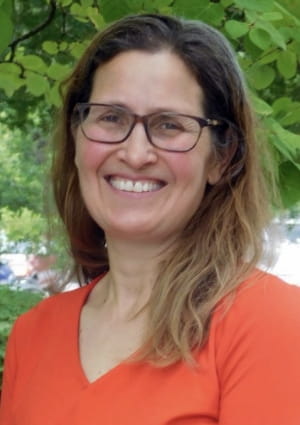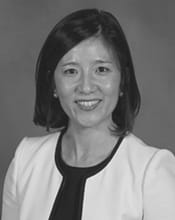






2026: Seung Eun Jung, PhD, RDN; Amy Ellis, PhD, RDN; Yeon Ho Shin, PhD
Dr. Seung Eun Jung, Dr, Amy Ellis, and Dr. Yeon Ho Shin are the 2026 recipients of the ANDF research award. Dr. Jung's research focuses on reducing health disparities and improving nutrition by applying evidence-based education in community settings, especially for diverse and marginalized populations. Building on experience as a clinical dietitian in both inpatient and outpatient settings, Dr. Ellis's research focuses on nutrition and aging. Dr Shin is a consumer behavior researcher who investigates psychological factors influencing human behavior in hospitality and foodservice contexts. The title of the research funded by this award is, "SPICE ED: Spices and Herbs for Improving Diet Quality through Education for Older Adults with Hypertension." This project aims to provide hypertensive older adults in Alabama with a practical and enjoyable non-pharmacological strategy to improve diet quality and manage blood pressure. Specifically, the intervention focuses on equipping participants with the knowledge and skills to incorporate inexpensive and readily available culinary herbs and spices into their diets.